ruogate / Blog
Notes from the lab bench and the underwriting desk
Educational notes on laboratory reference materials, analytical documentation, storage and cold chain, and what an underwriter looks for on a research-use-only supplier site.
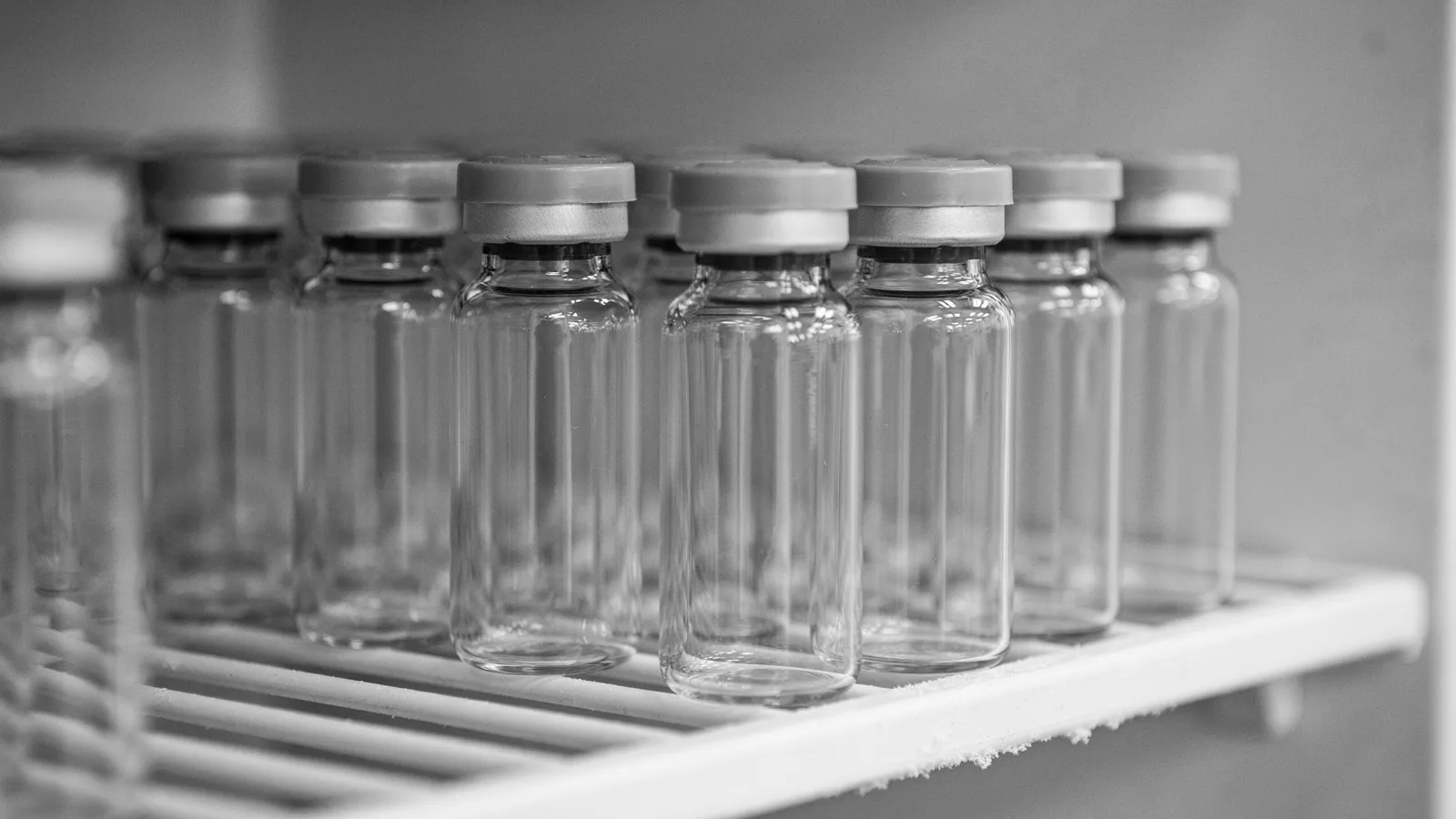
Lot numbers and traceability: from the vial to its certificate
How a lot number links a research reagent vial to its certificate, raw test data and supplier, where that chain breaks, and what to record at receipt.
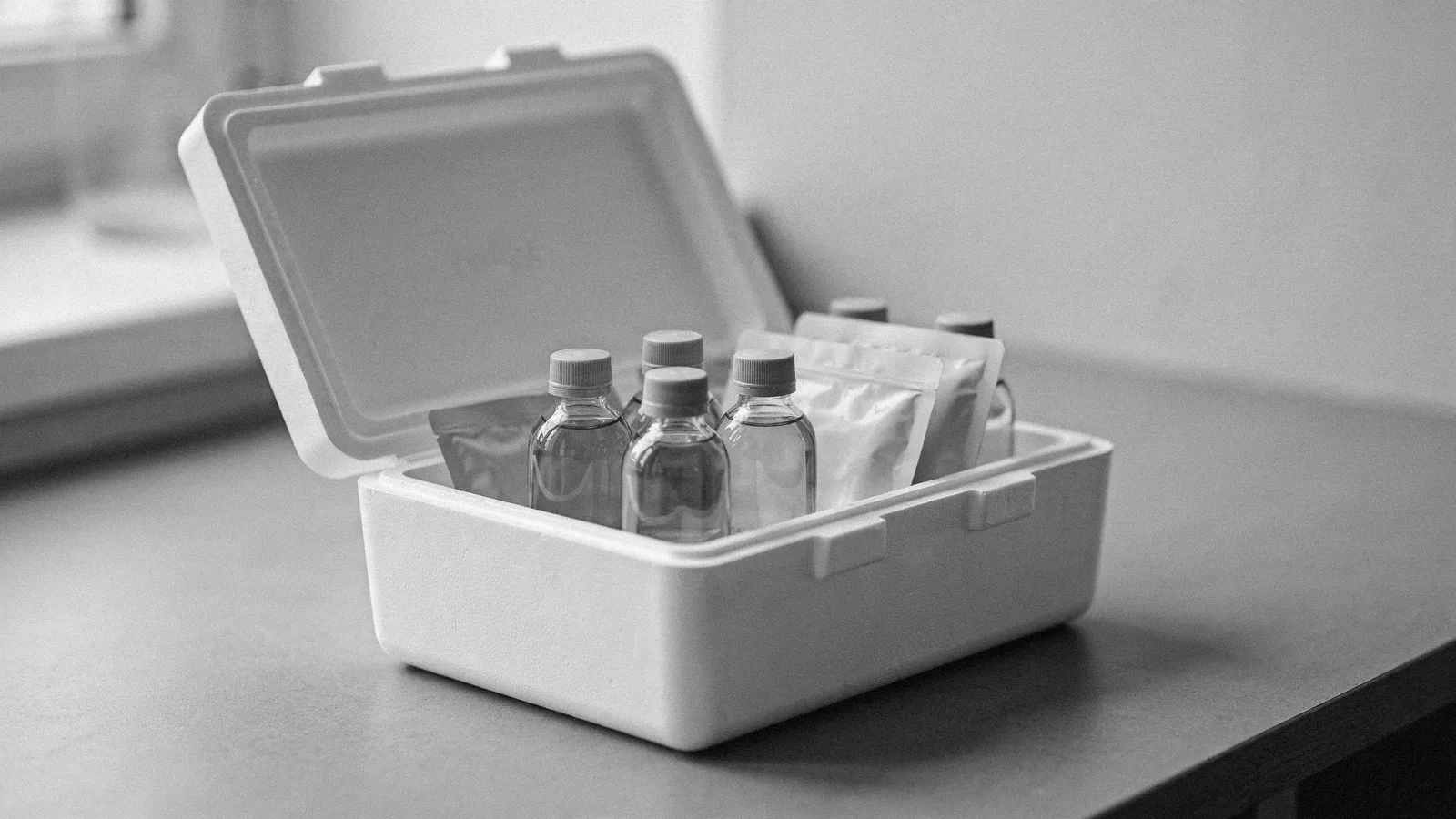
Cold chain for research shipments, from pack-out to the receiving bench
How to pack, monitor and time cold research shipments, and what a receiving lab should record on arrival so the temperature history holds up.
What an HPLC purity figure measures and how to read the chromatogram
HPLC purity is a ratio of peak areas under one method. Learn to read the chromatogram and why the column and detection wavelength decide the number.
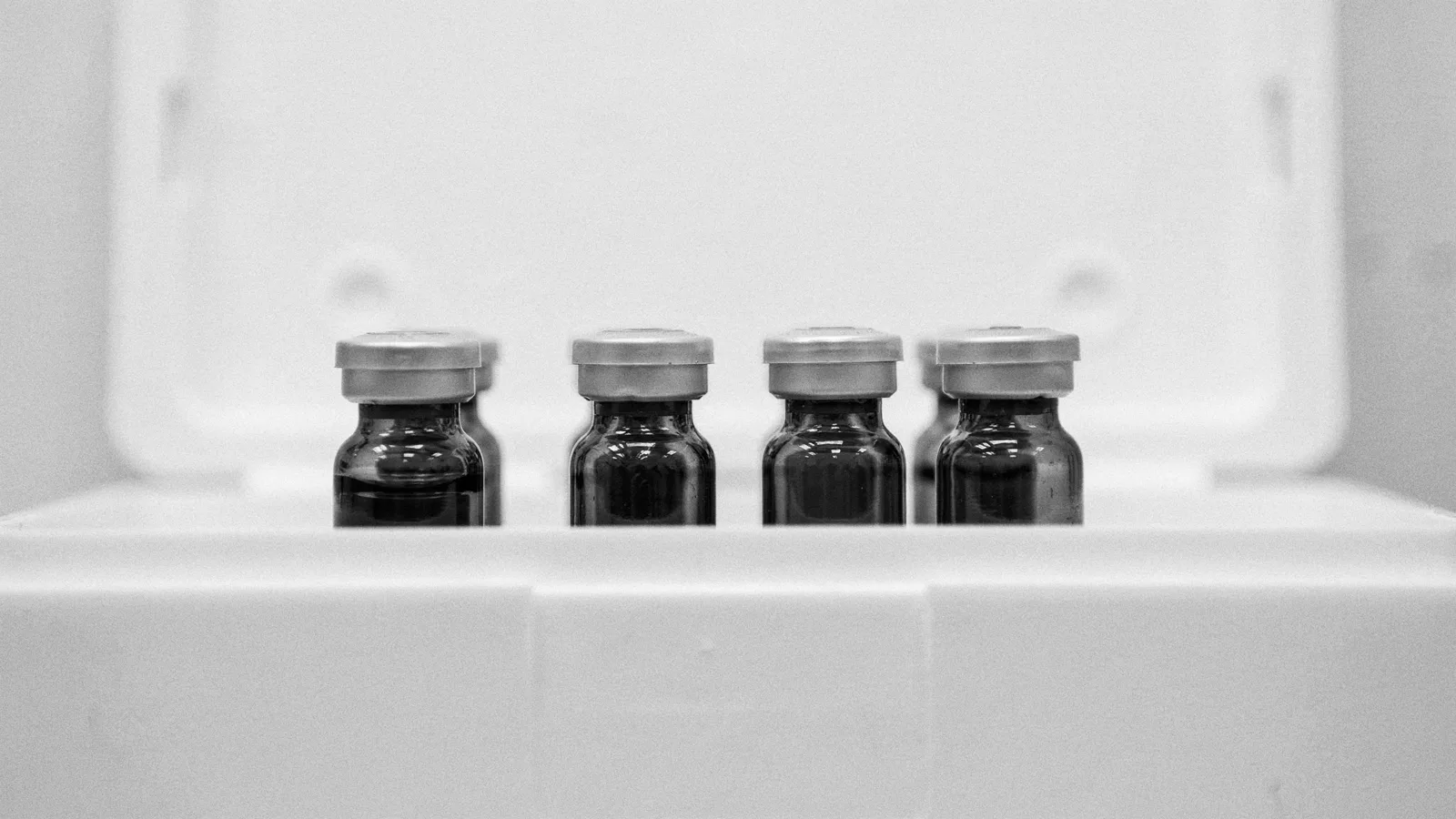
How to Store Lyophilized Reference Material Without Losing Integrity
Practical storage rules for lyophilized reference material: temperature, light, humidity, desiccant upkeep and freeze-thaw control, with records.
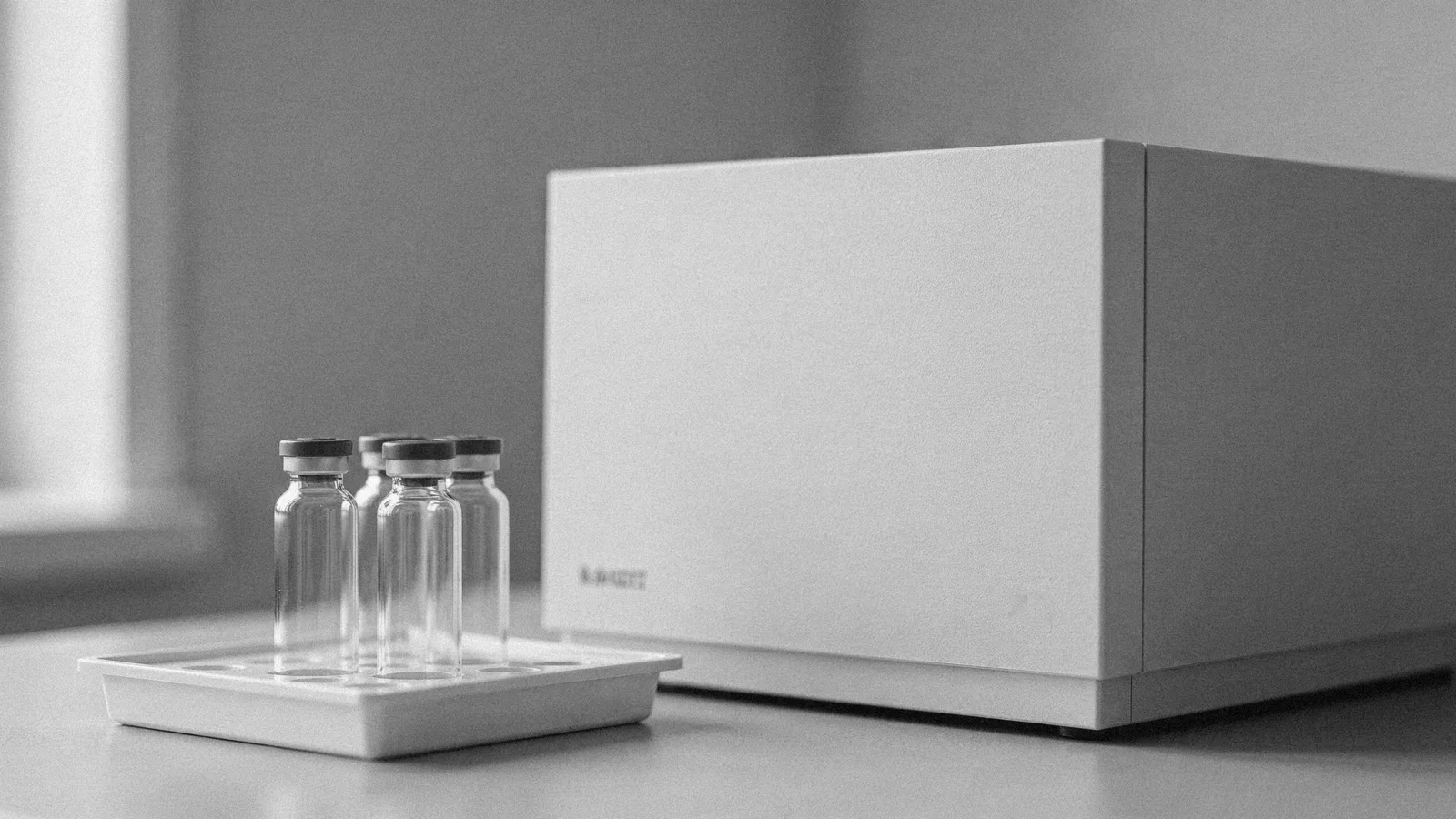
Mass spectrometry identity testing: what a matching mass does and does not prove
How an observed-versus-expected mass comparison works, what it confirms about a research reagent, and which questions it leaves for orthogonal methods.
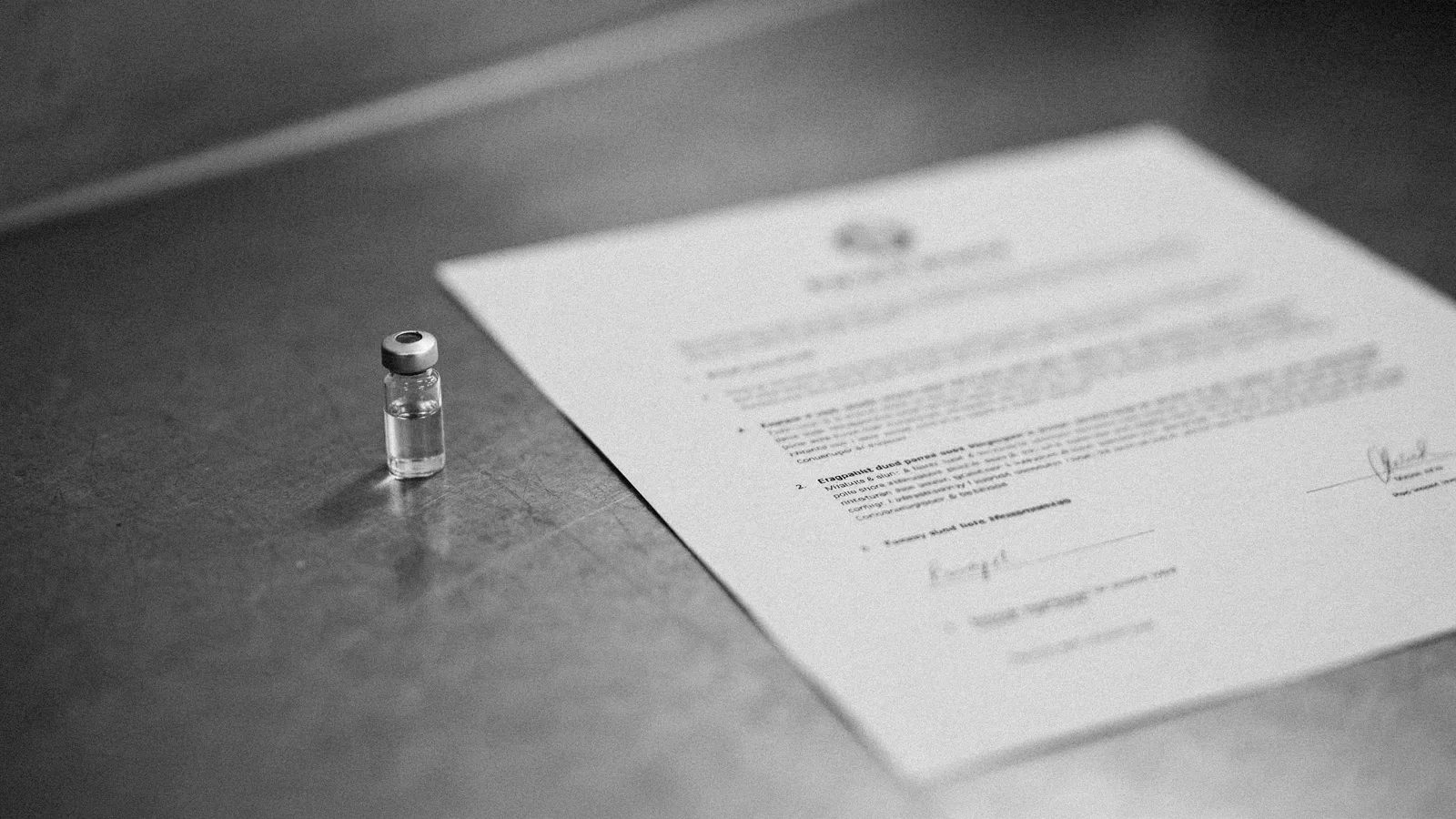
How to read a certificate of analysis for a research reagent
A section-by-section guide to a certificate of analysis: header, lot number, test methods, specifications versus results, and the signature block.

The Sixteen Sections of a Safety Data Sheet for Research Suppliers
A walk through the sixteen GHS sections of a safety data sheet, the ones research suppliers most often get wrong, and how an SDS differs from a CoA.
Build a research-use-only store
We build research-use-only stores with the gate, documentation and page structure an underwriter expects, and check them before they go live.